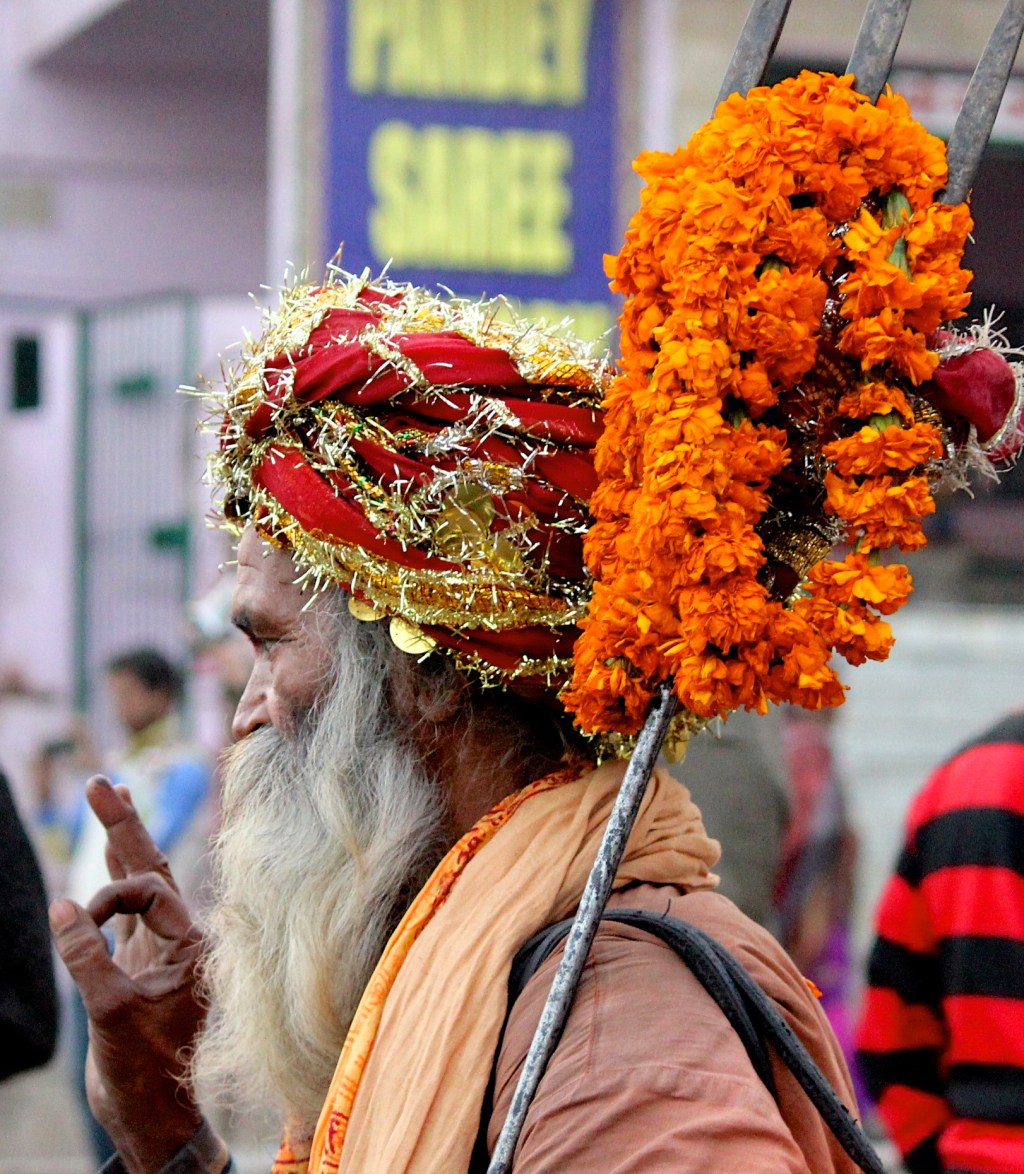

One of the most outstanding sensations one experiences in India is the overwhelming assault of color! Part of those sensations is provided by the omnipresent awareness of … BLOSSOMS!
They are bright and deep. They are fragrant. And, they are tactile. You are constantly in physical contact with them. They are all around you, everywhere!
In India, flowers are an integral part of everyday living. The long, long tradition … of offering flowers for personal adornment on special social occasions, of honoring places of worship, of decorating homes and vehicles, which are often homes away from home on the road, and the modern tradition of forming “tent houses”, which are temporary venues set up in soccer fields for large capacity traditional occasions, such as weddings … has historical reference as far back as the beginning of recorded time. Flower production is recorded in the Rig Veda, the oral forms of which date from 3,000 – 2,000 BC to the written form in 300 BC.
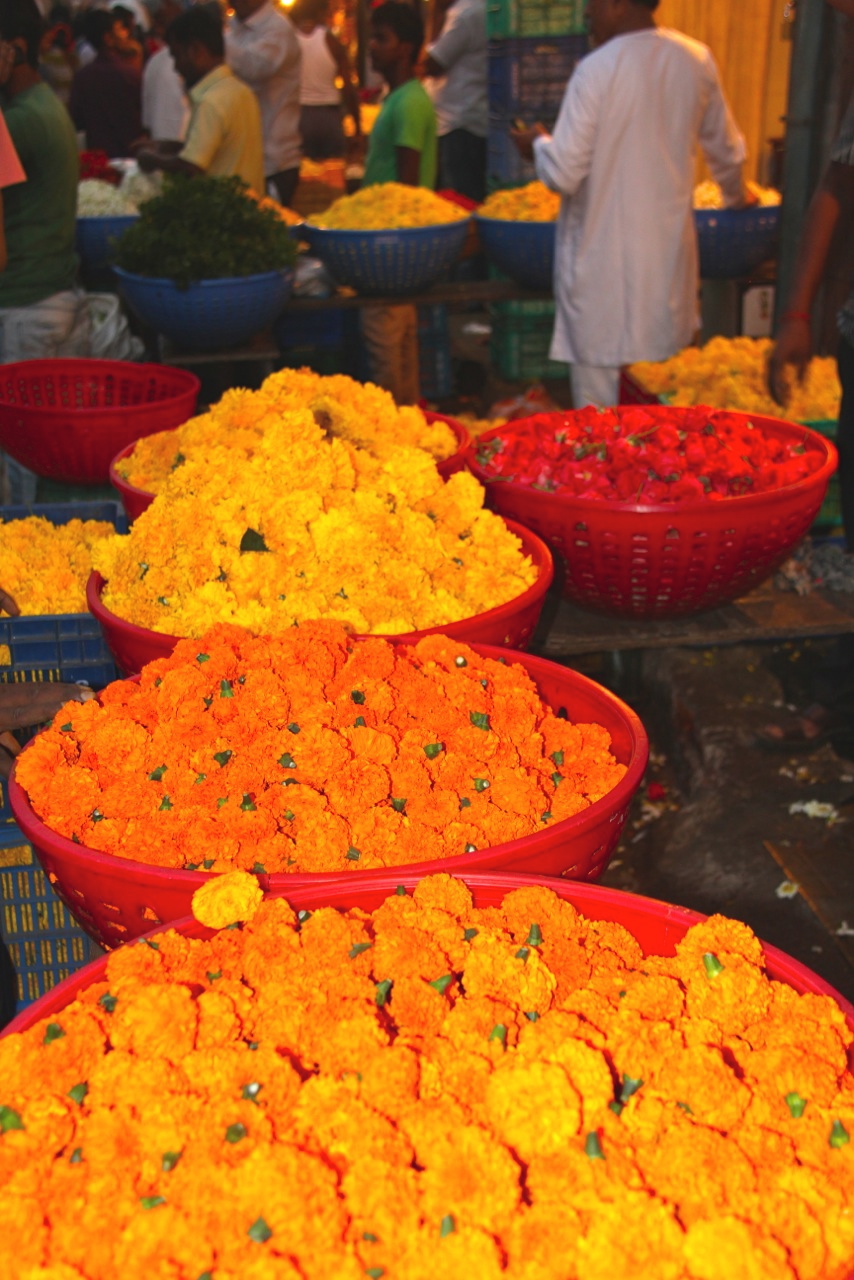
The “cut flower” industry has improved significantly in the last 15 years with species grown in green houses under controlled conditions and with more exportation to countries whose environmental conditions are less propitious. Up-to date statistics are difficult to access because they are obtained from market research companies. (That means you have to pay them for the info.) And, that’s a good indication of the fiscal importance of the industry’s advancements!
But, I want to talk about the “loose flower” industry, or I should say rather, “loose flower” tradition. For generations local varieties of mostly marigolds and jasmine have been produced in “open-field” conditions and have been marketed in a very disorganized manner. There is no post-harvest management. Of the 65, 000 + hectares growing area (cited in 1998 from a UN sponsored report by Narendra K. Dadlani, “CUT FLOWER PRODUCTION IN INDIA”*,) loose flowers are generally picked in the evening on the rural lands and packed into any kind of vessel available: gunny sacks, bamboo baskets, cardboard boxes of even newspapers, awaiting transport by train or road vehicles to the wholesale markets in nearby cities. Since no refrigeration is available, you can imagine the limited lifespan of these little beauties. (Click on photo to see slide show of various “uses”.)
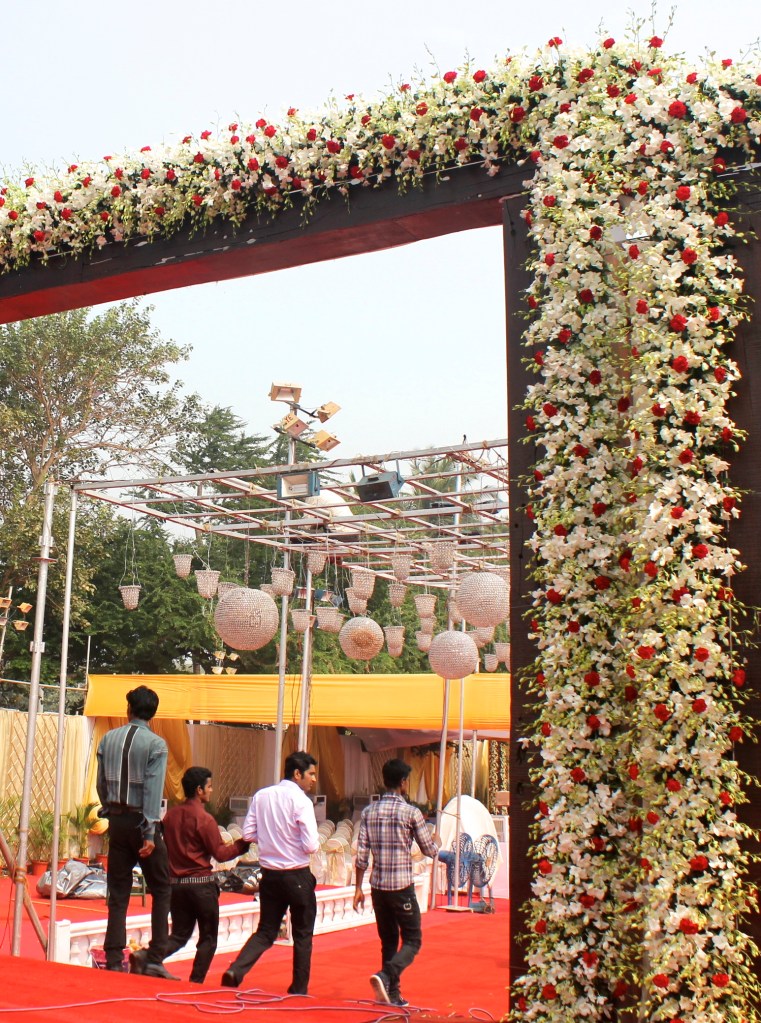
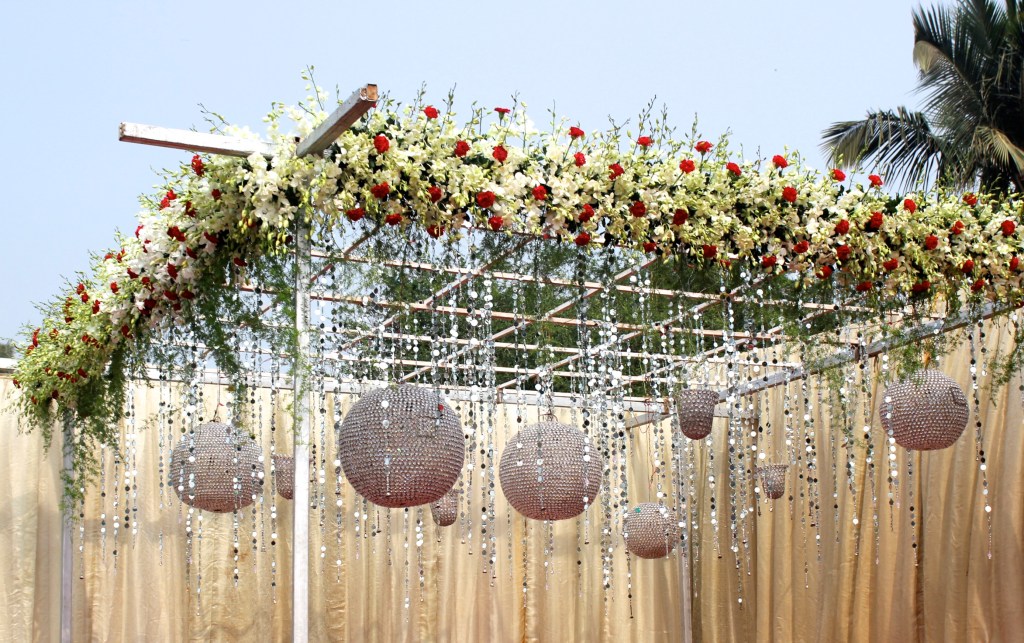
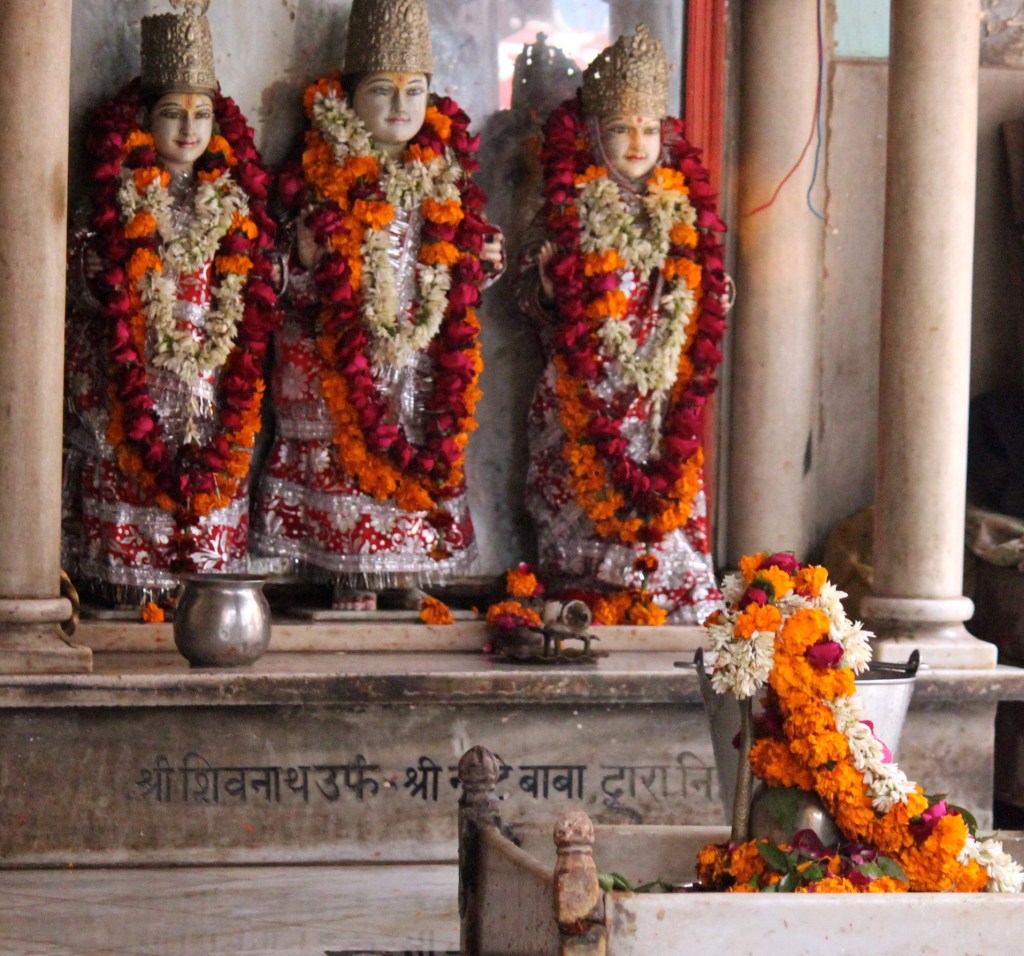
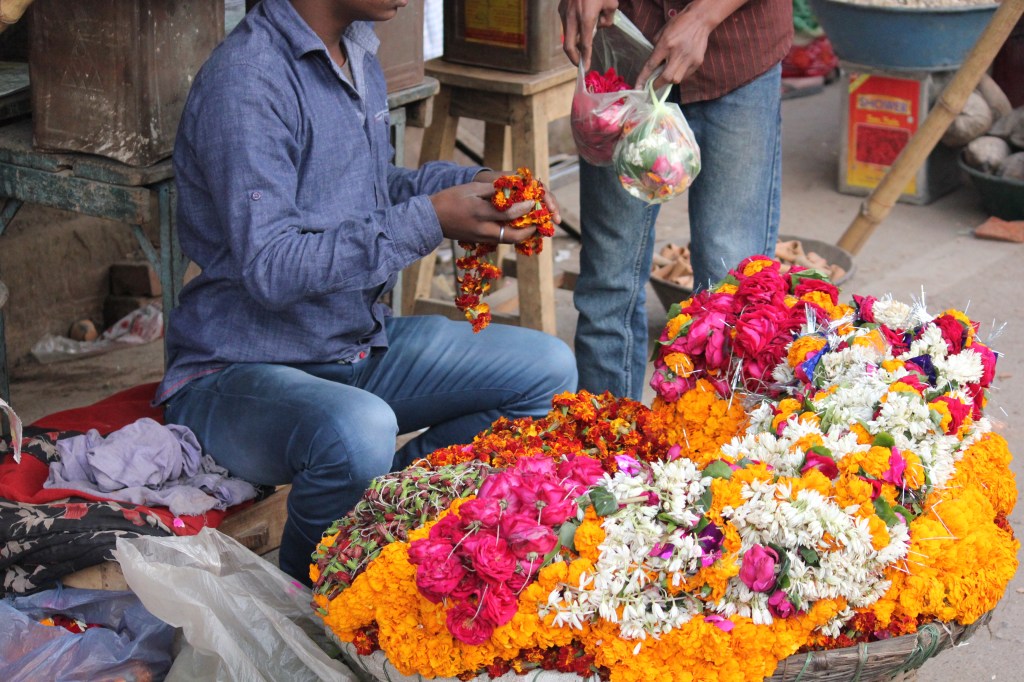
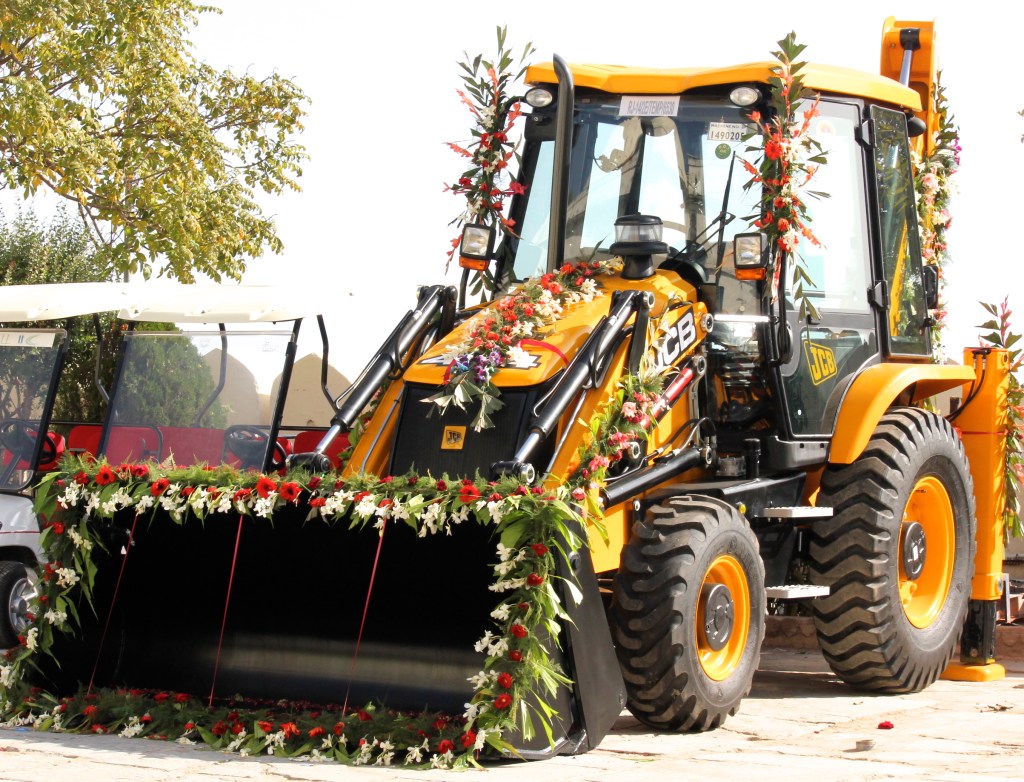
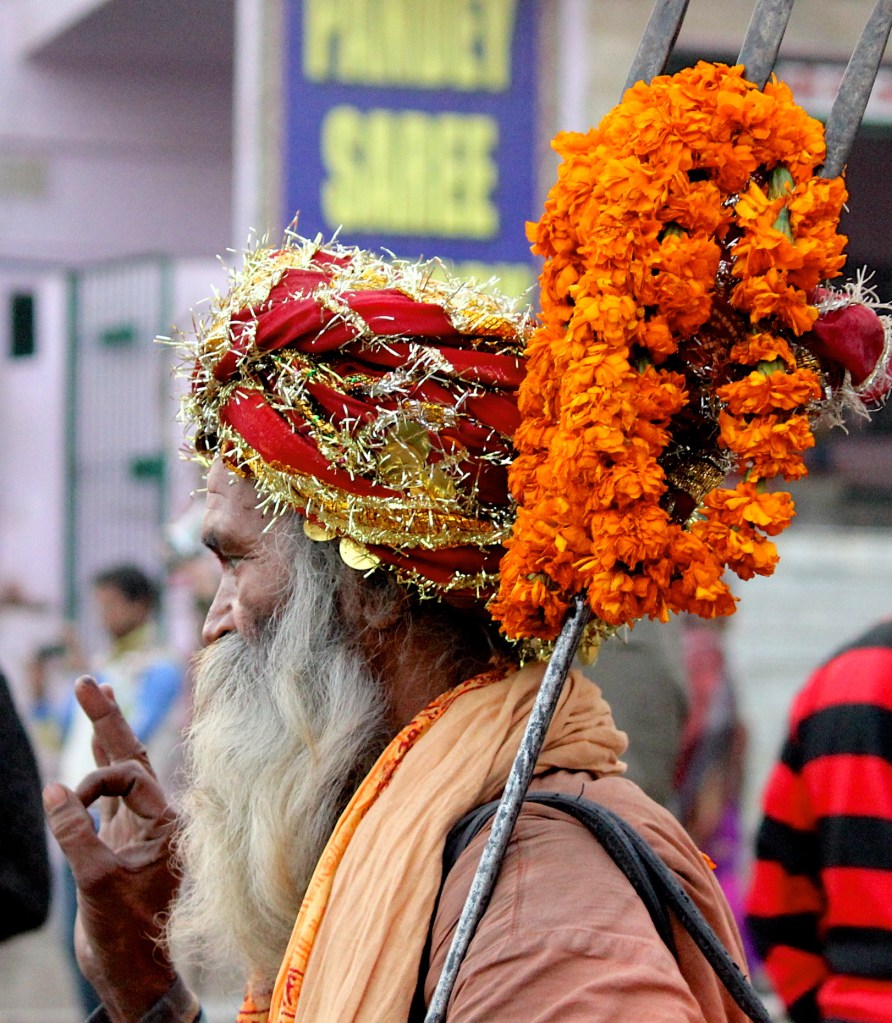
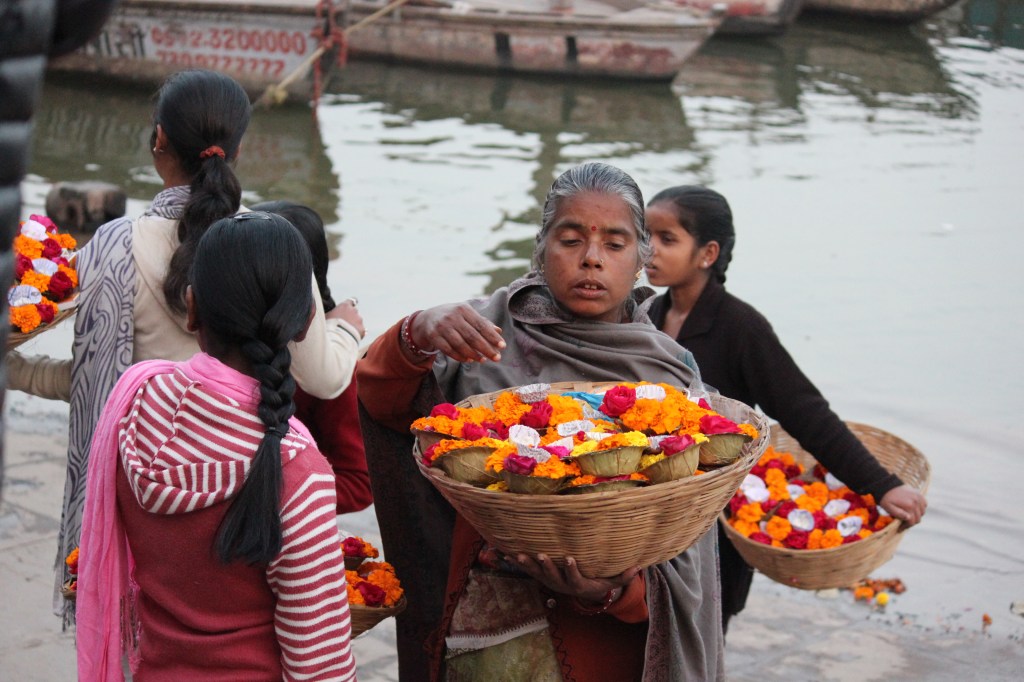
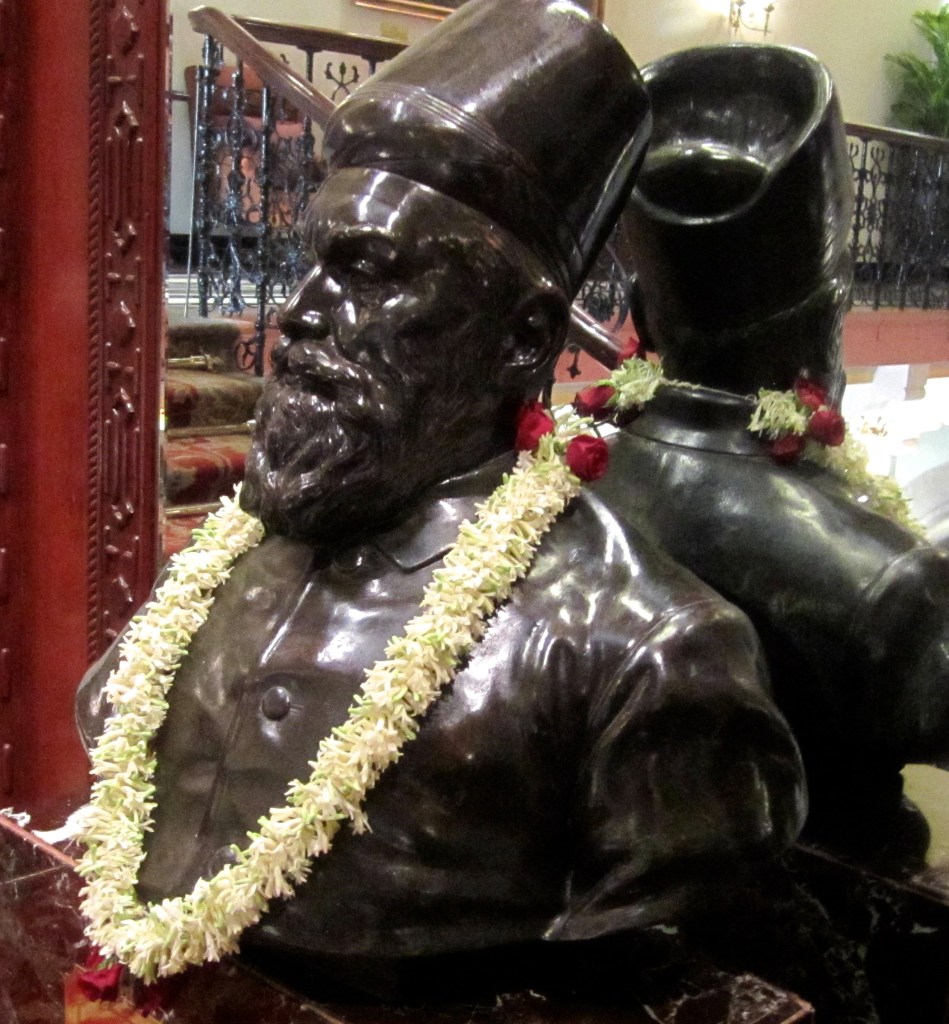
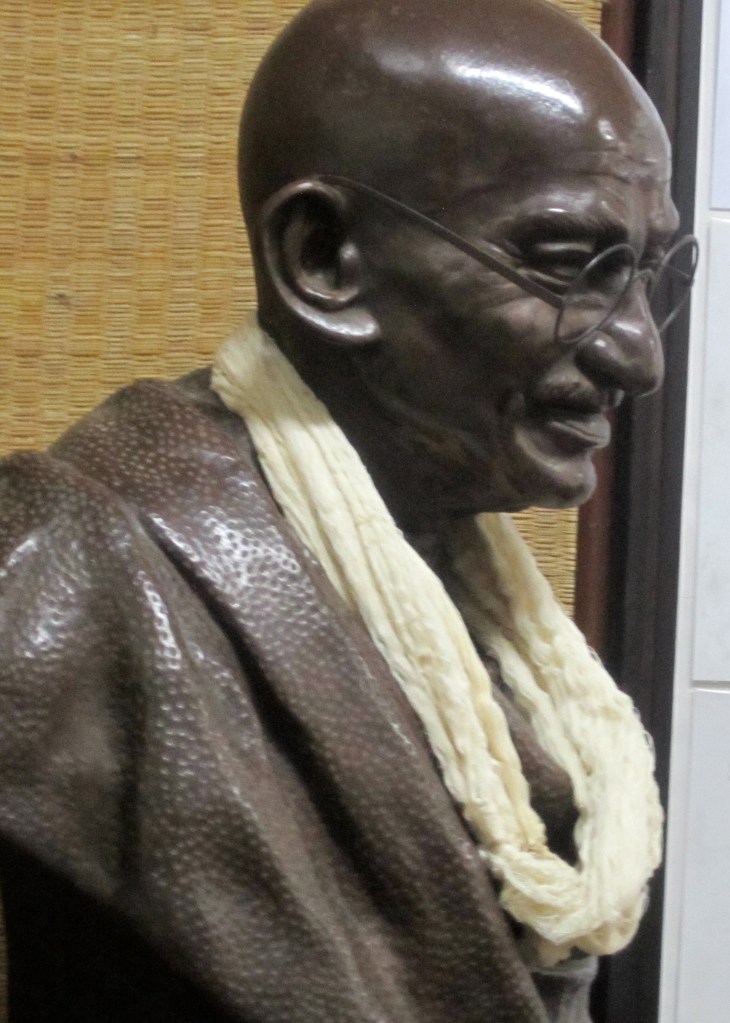
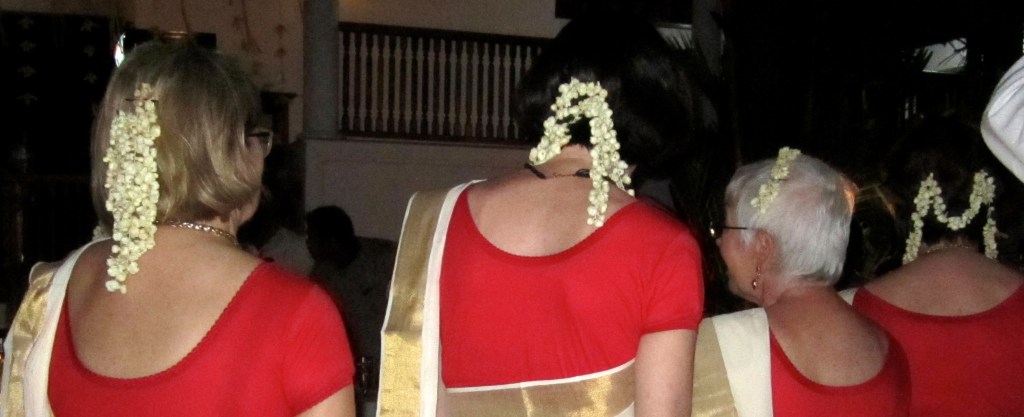
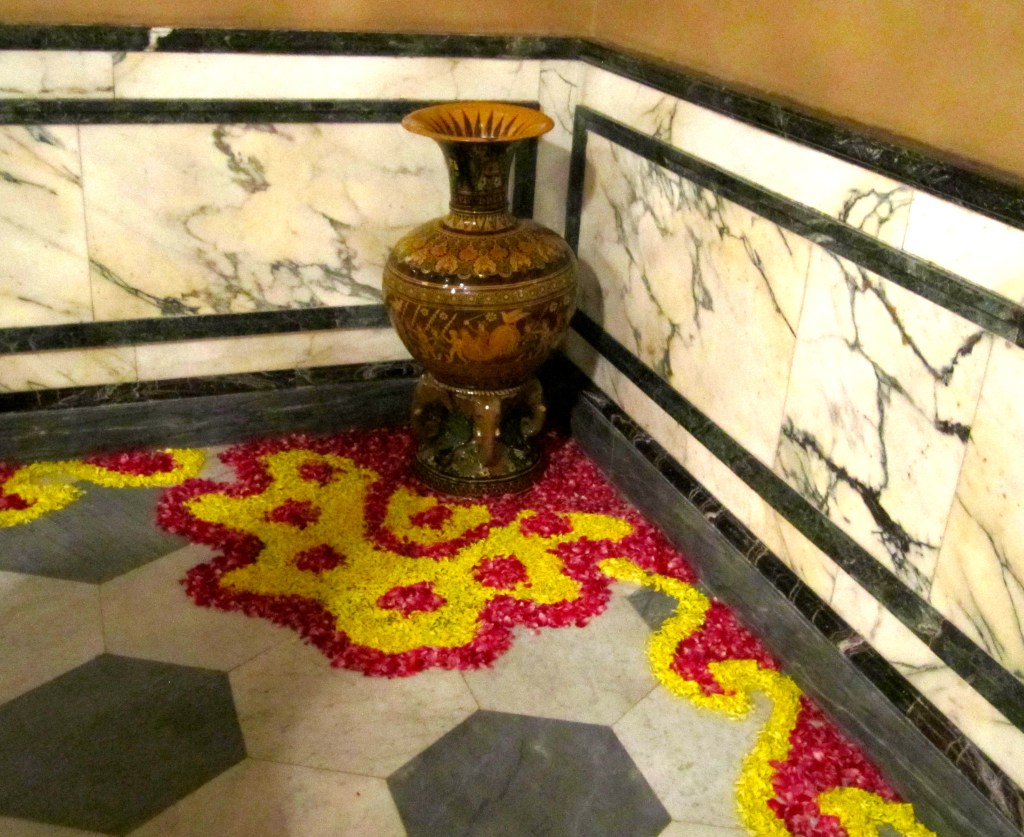
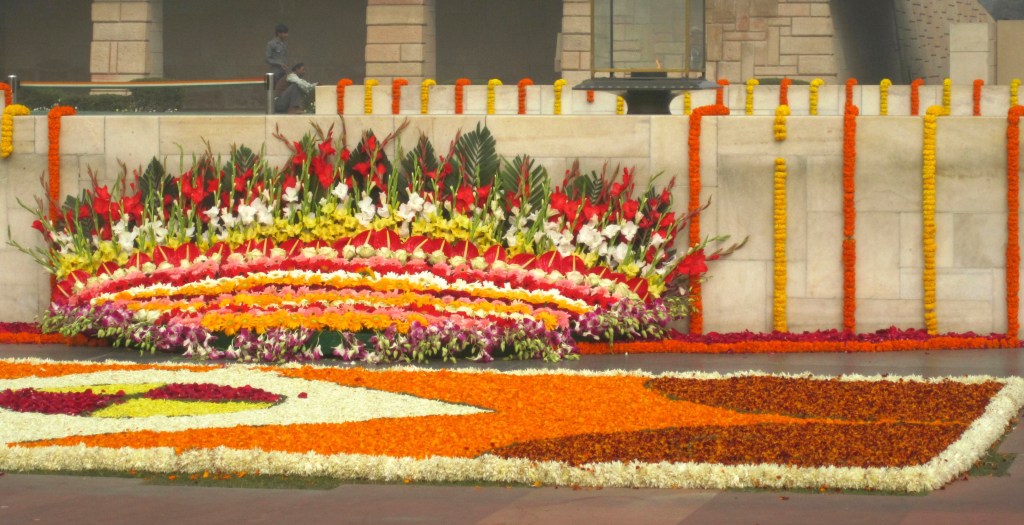
From the early morning markets, flowers are sold by weight to “retail outlets’, which could be to a family with a road side stand or people who fabricate the garlands to be sold during that day’s distribution. Hotels and tour companies are great consumers of these.
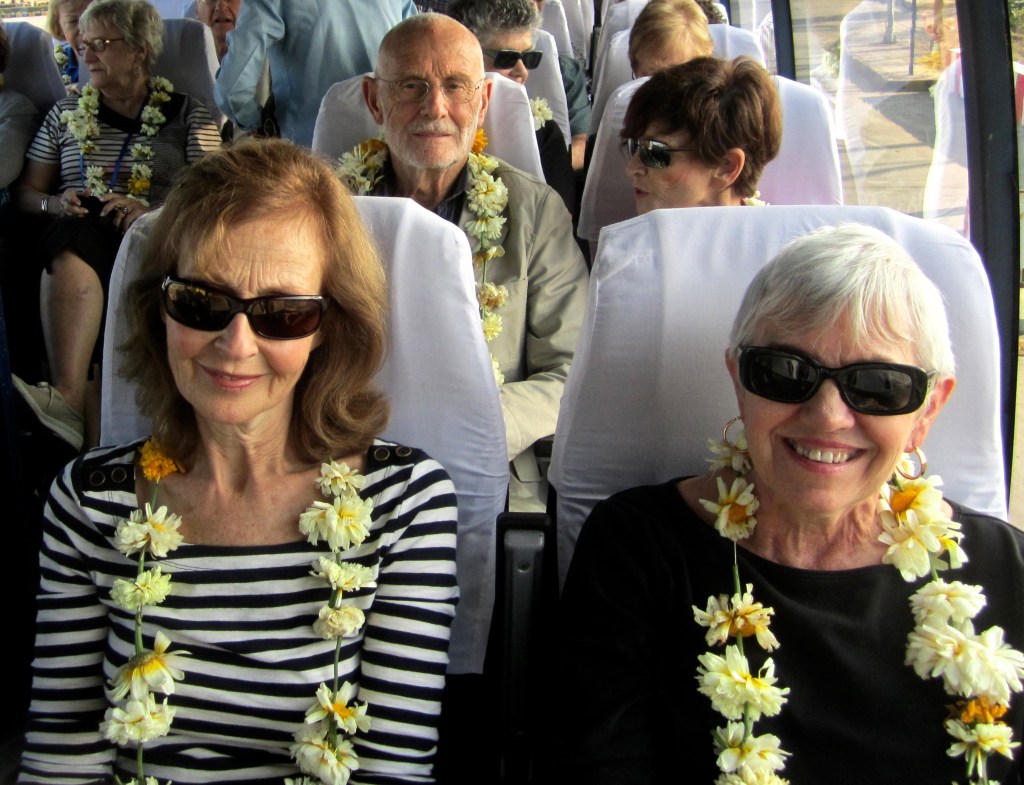
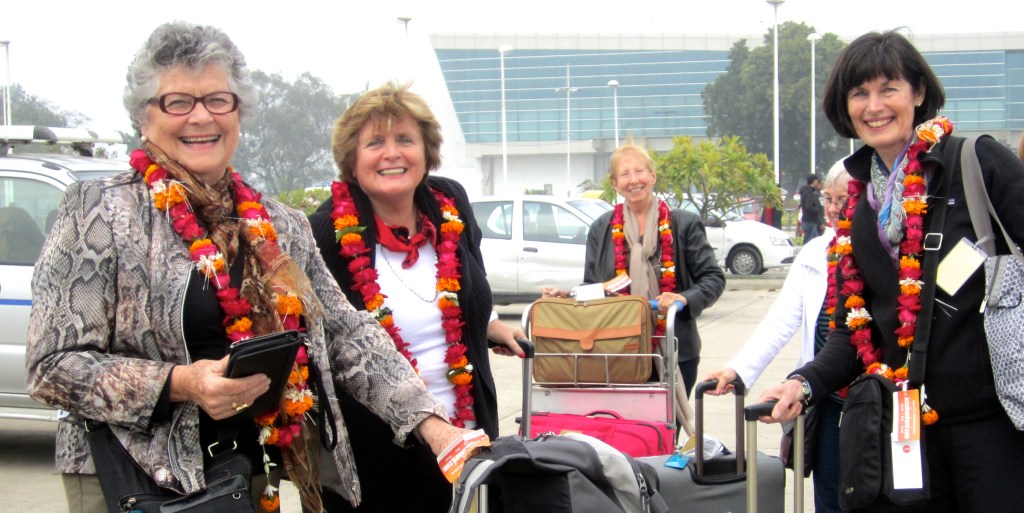
During our 3 week journey, every time we changed venues we were welcomed and honored with a living reminder of “Incredible India”, as described by our wonderful tour guide, Lokesh.





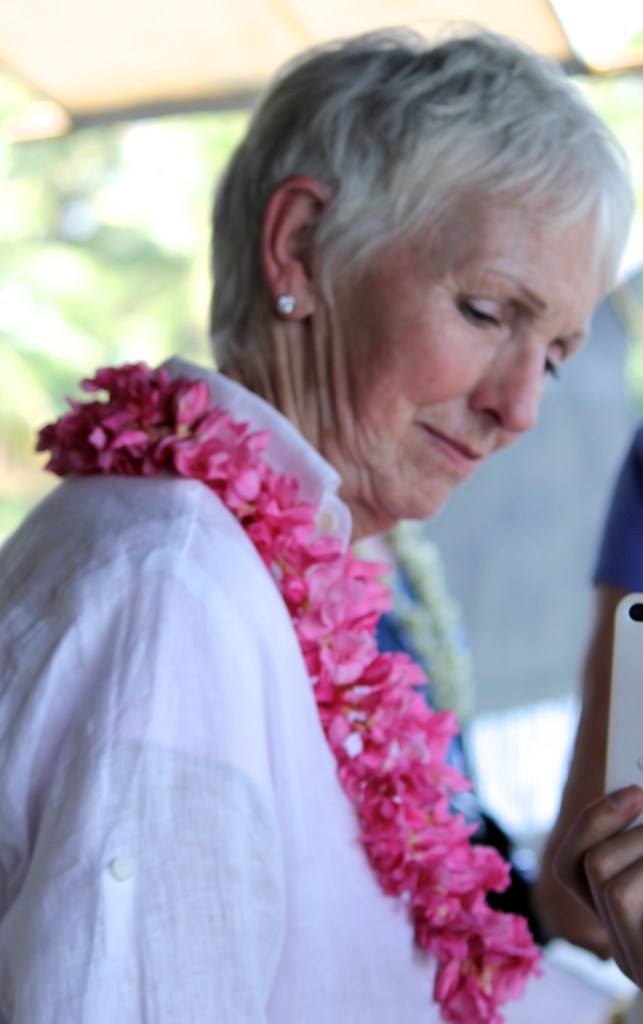



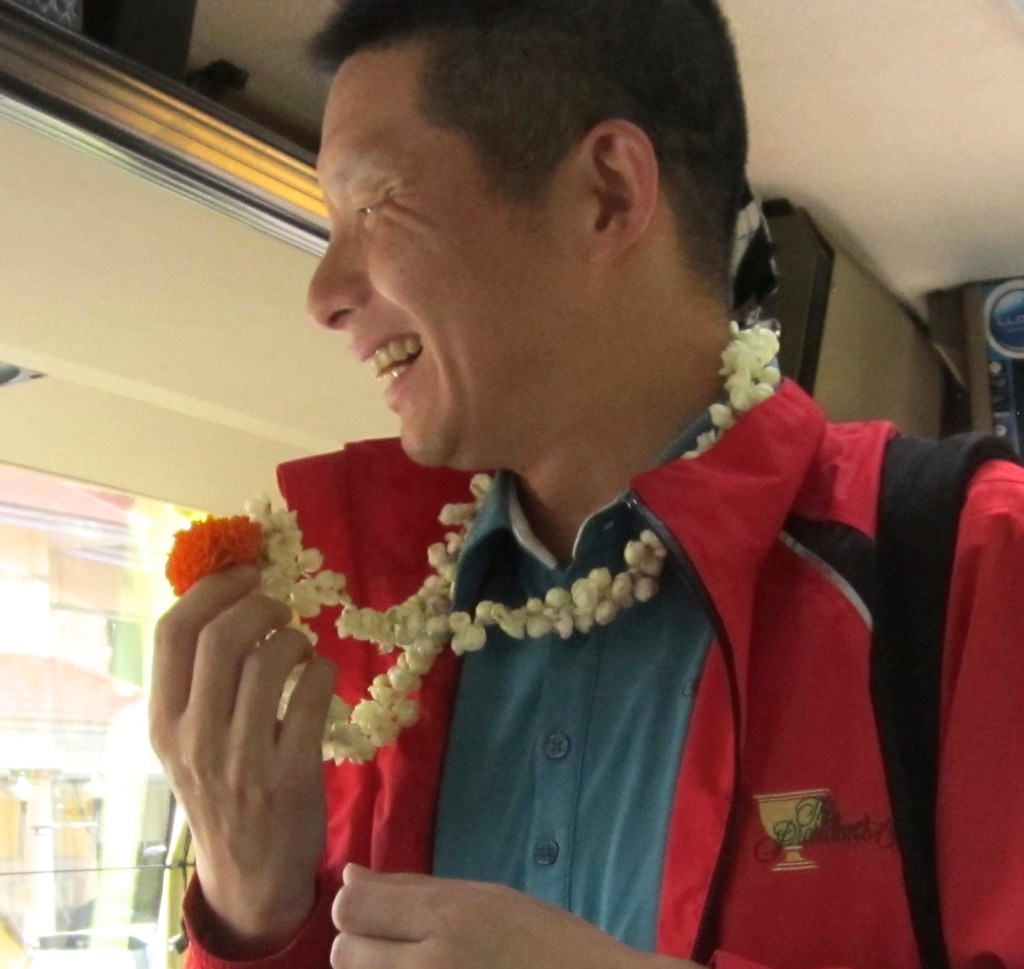
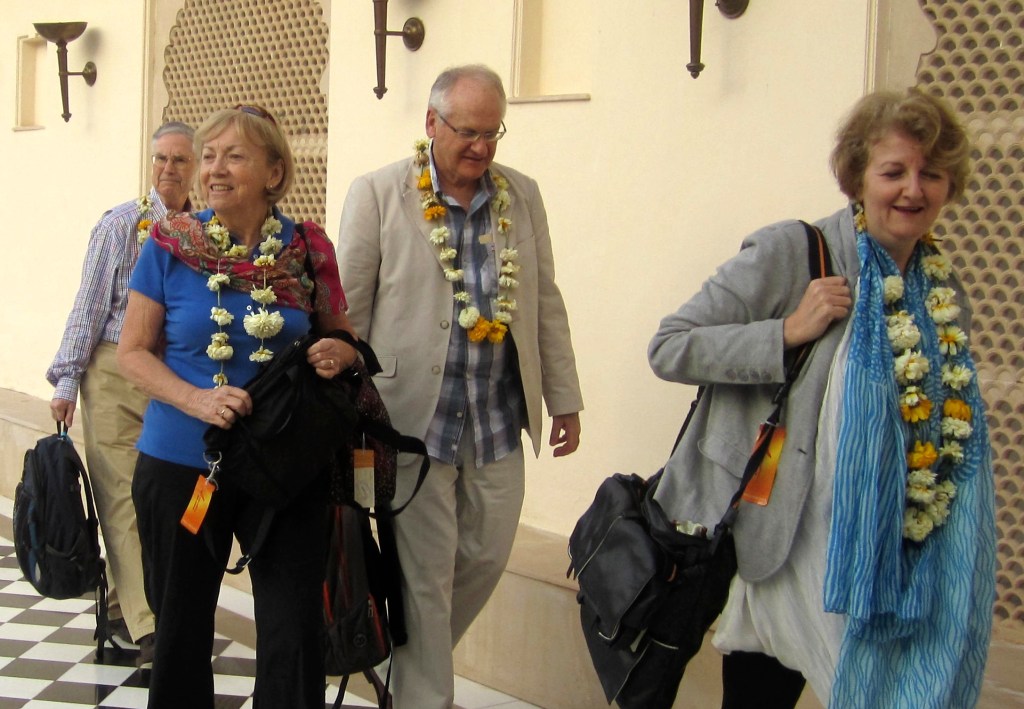


*FAO, Division of Floriculture, Indian Agricultural Research Institute, New Delhi, India


4 responses to “Imprint: Sanctified by FLOWERS in India”
Loved the flowers , pam
LikeLike
That must have been an awesome experience!! I have wanted to visit India and especially Goa, but there is still time. This year it is Africa!
Ana maria
LikeLike
Oh Pat, thank you. I love reliving that amazing trip we had to India. We are so fortunate to have had the opportunity to experience the many faces of India. I saw the Lunch Box at our theatre last night, I was right back on that corner in Mumbai where all those Tiffin carriers were scurrying about.. Big hugs my dear. Anne
LikeLike
My next story is about the Dabbawallas! Yes, I agree, “The Lunchbox” is a fantastic film! … Hope to see you SOON! LP
LikeLike