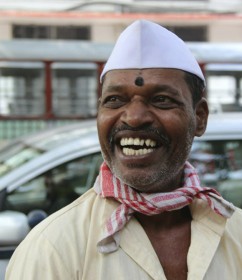
Take a good look at this man! He’s wearing the requisite white topi hat. He’s happy and confident. … He is most likely what we would consider poor and he probably does not read or write; yet, he functions as part of a very well-oiled machine that feeds the workers of Mumbai in the world’s most ingenious food delivery system. A hot, home cooked meal prepared by a loved one is brought to an office worker or student by this man. He is proud. And, he’s proud to be a Dabbawalla!
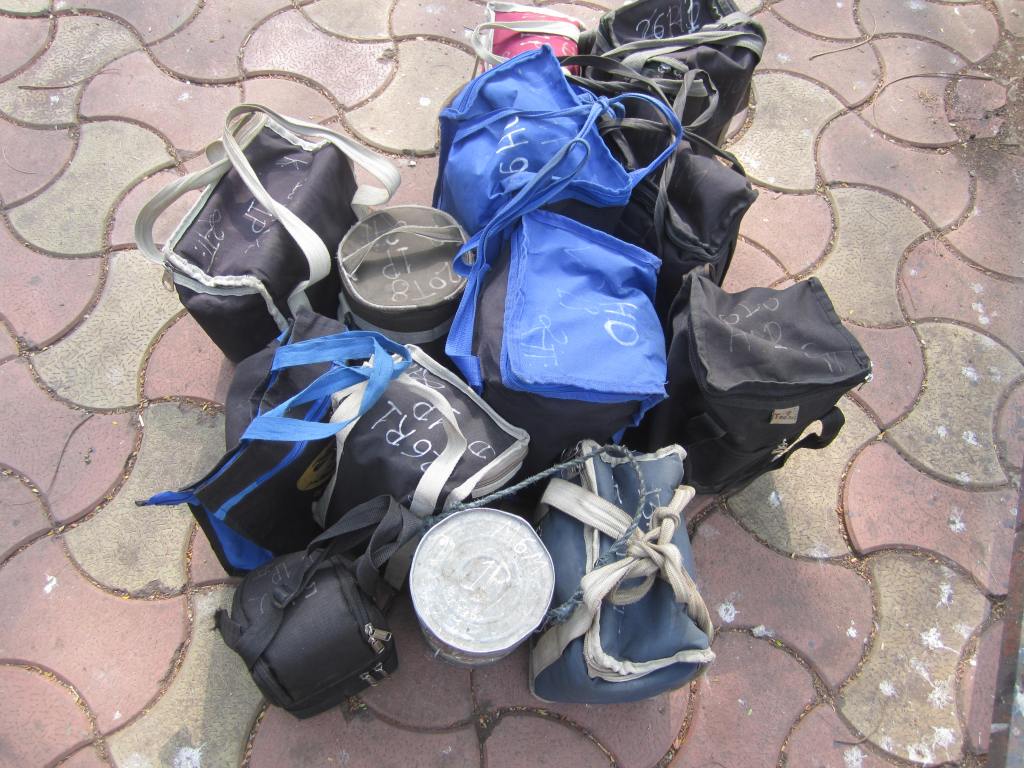
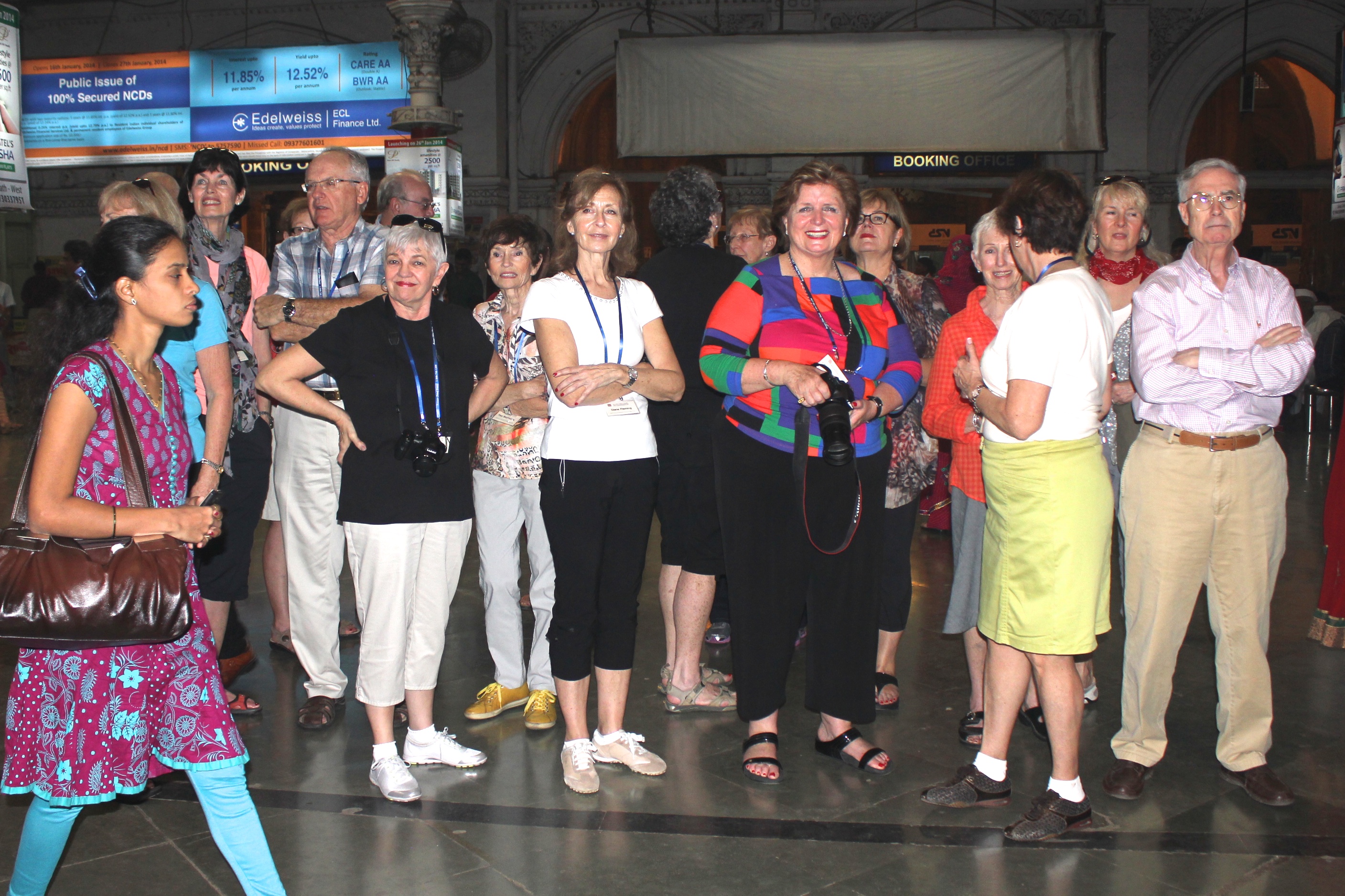
A “dabba” is a tin lunchbox called a tiffin, which is a series of stacked metal containers. A “walla” is a worker. So, the Dabbawalla is the lunch delivery man. Simple as that! … When we were taken by our guide to the Central train station to see the Dabbawallas, none of us had any idea about what we were soon to witness. A small army of men in impeccable white hats was carrying 8 to 10 foot long trays loaded with a disheveled collection of insulated bags and tiffins. (Click on picture to start slide show.)
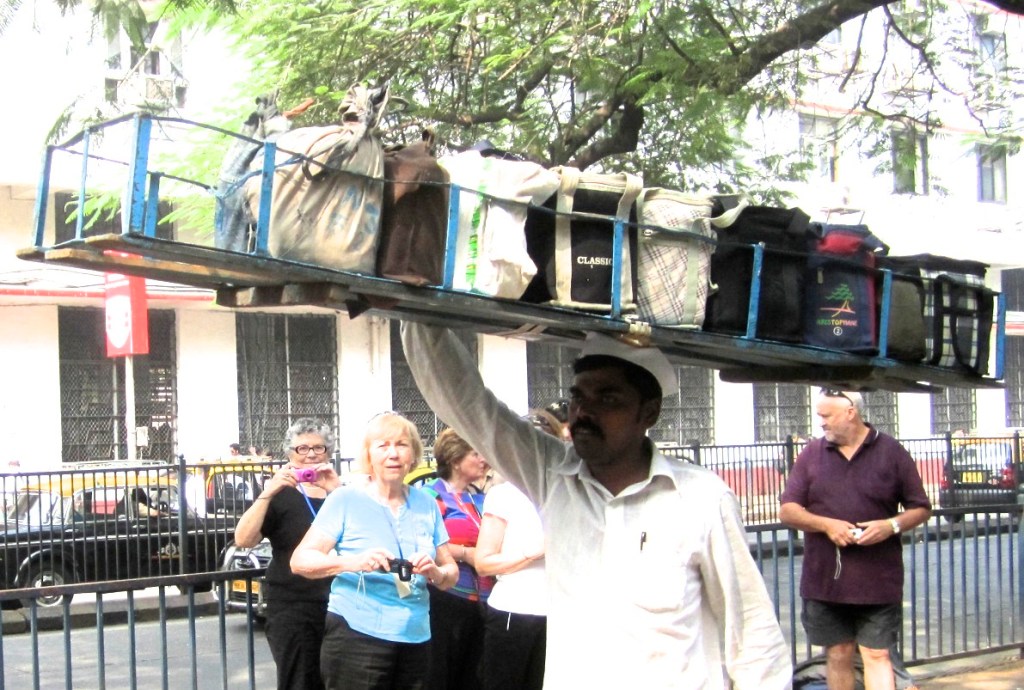
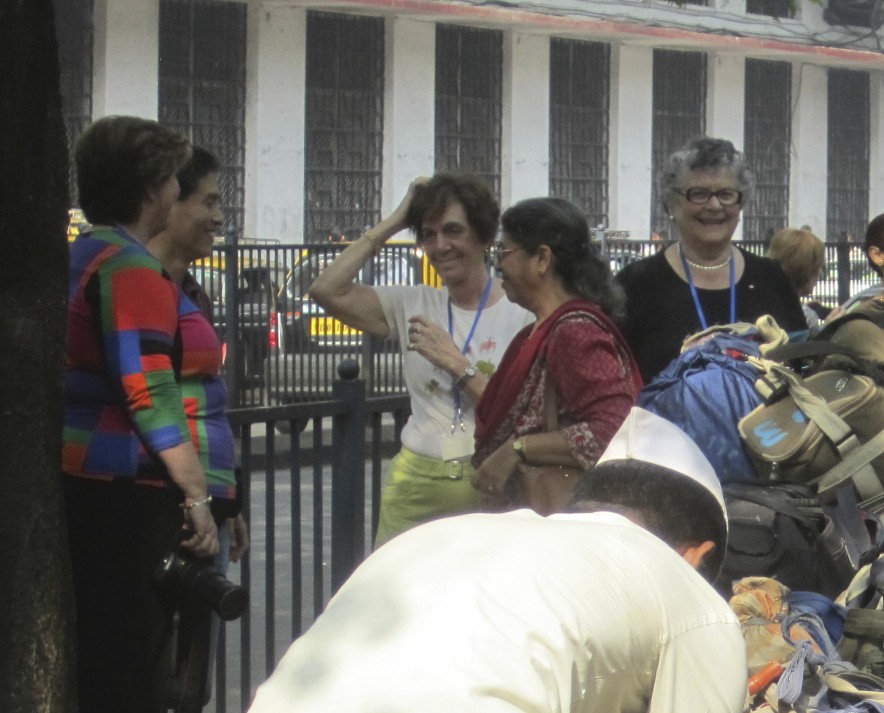
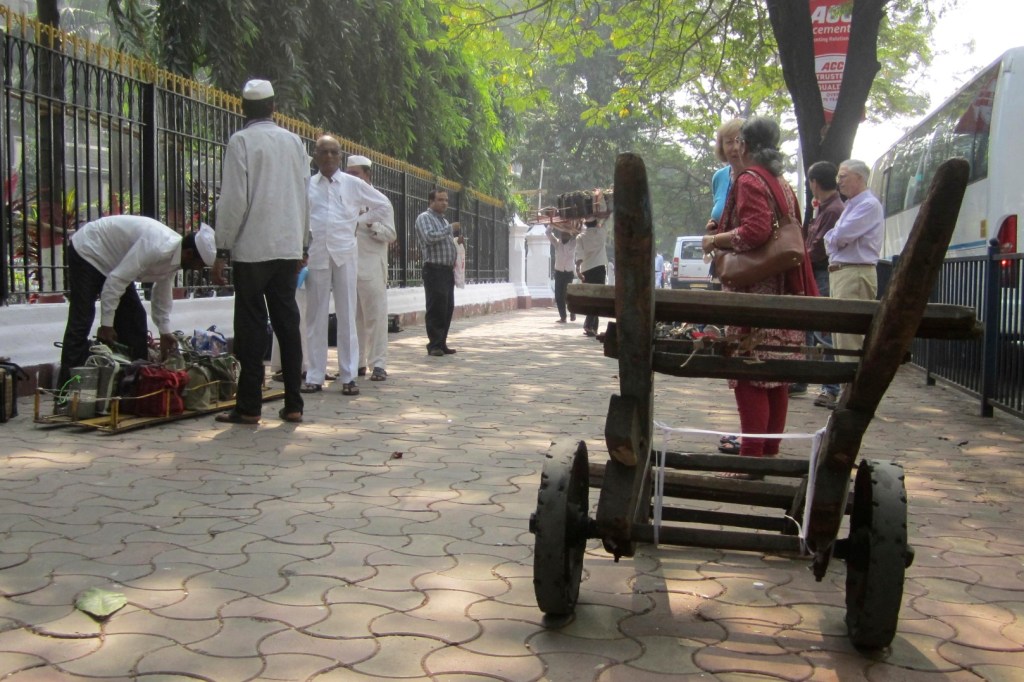
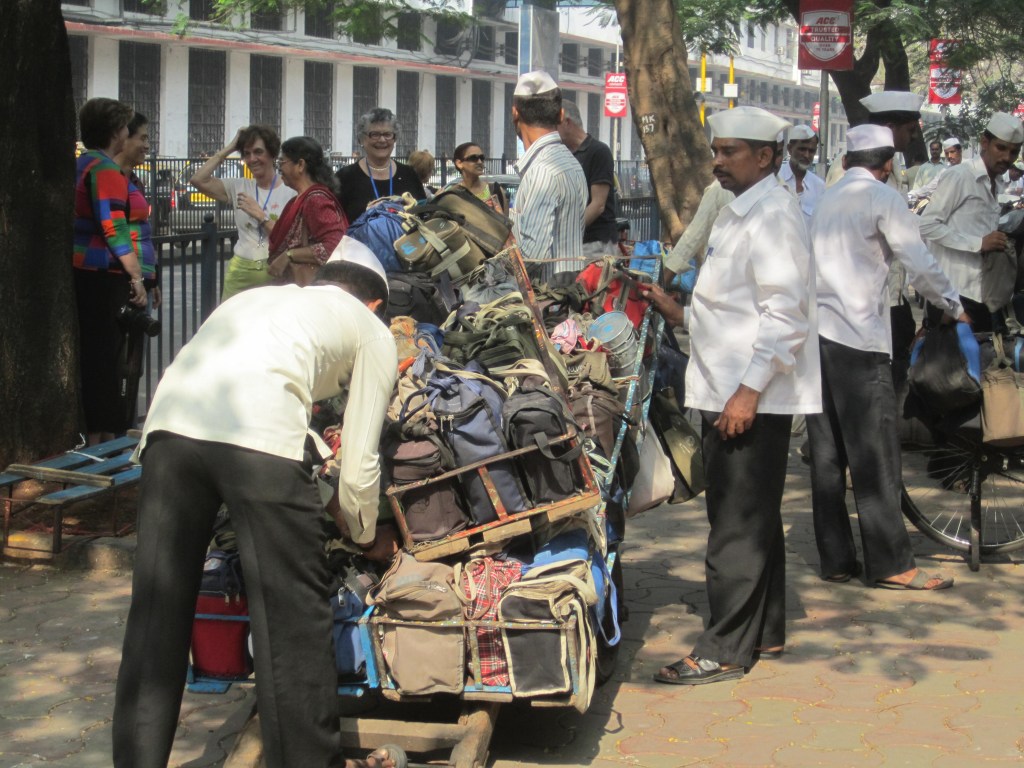
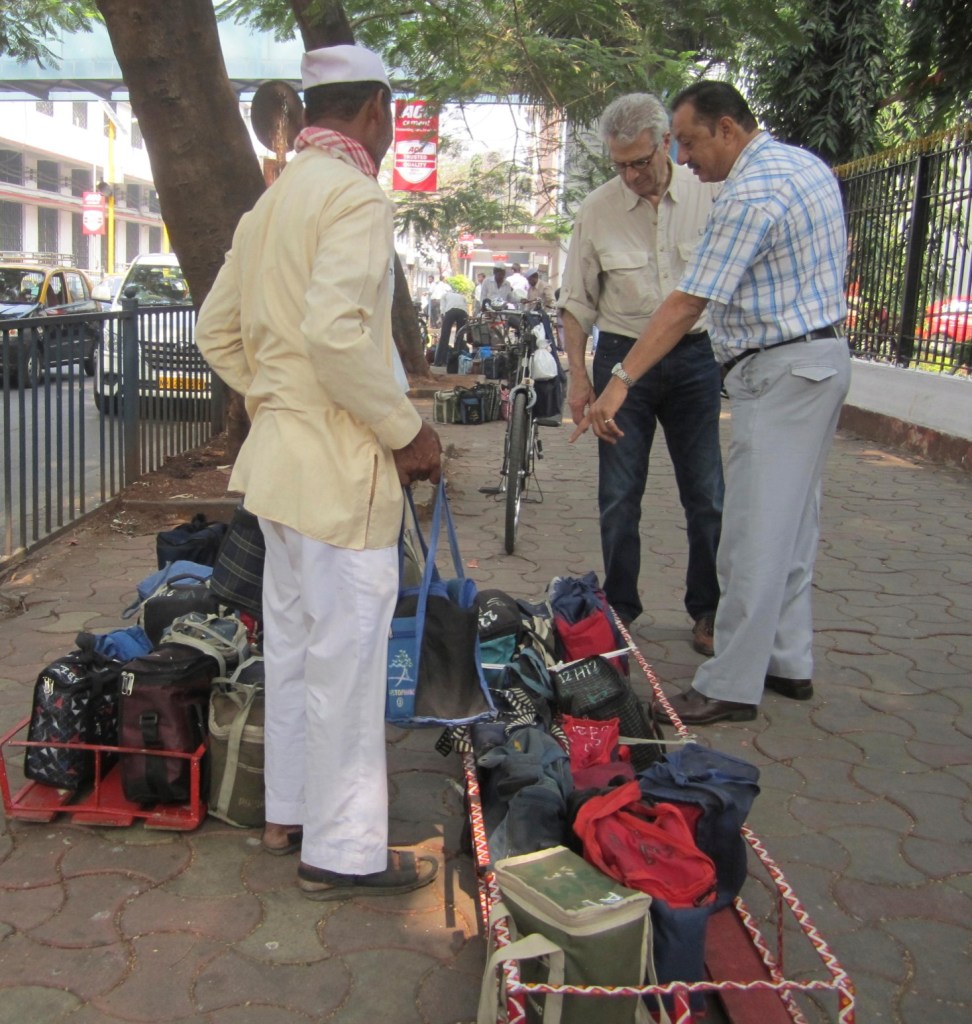
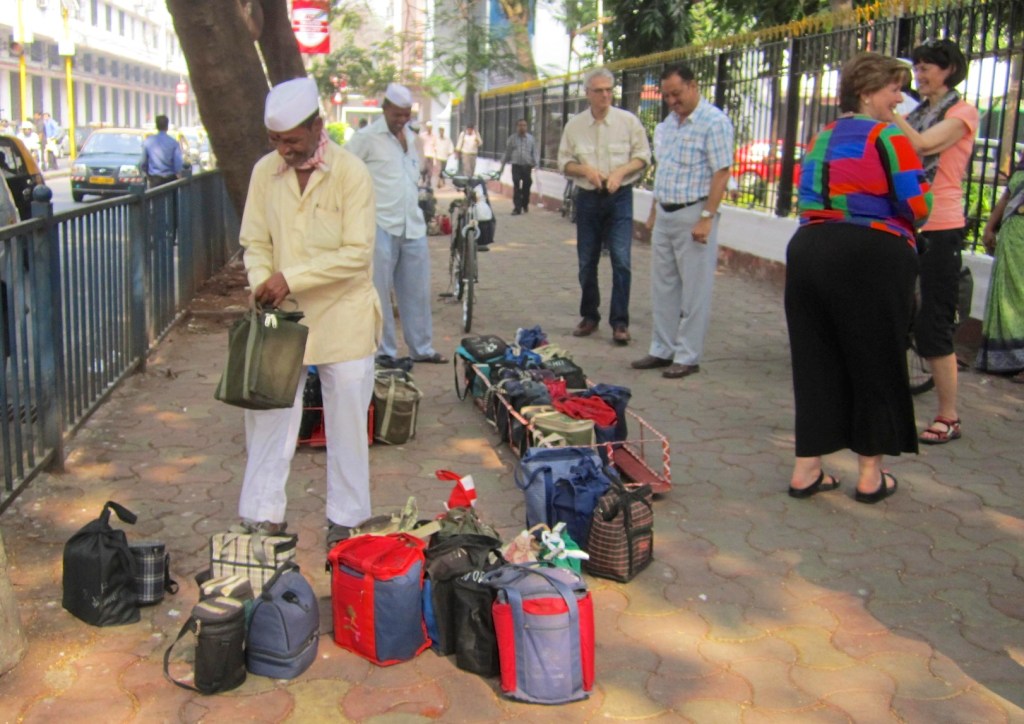
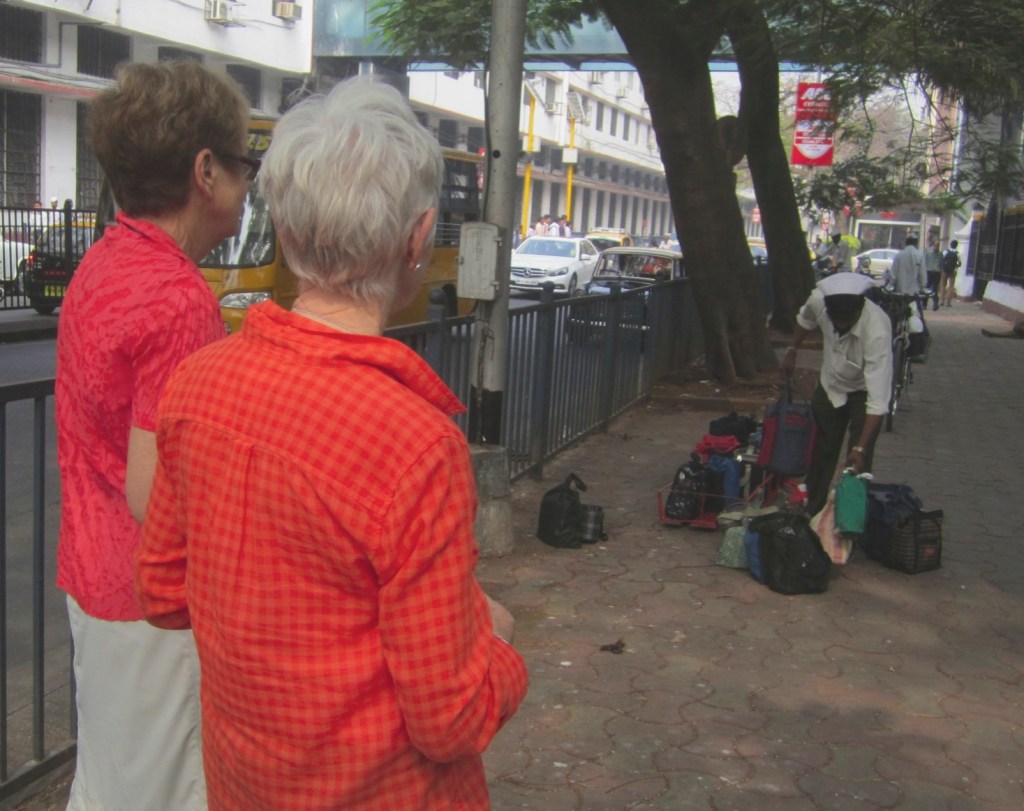

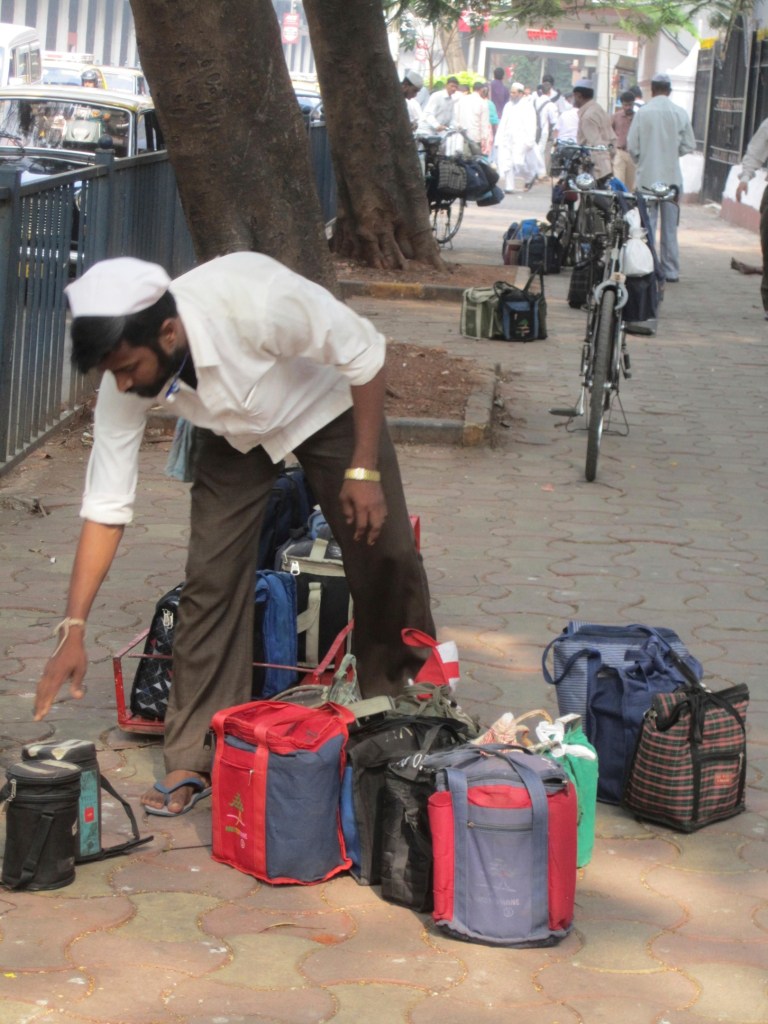
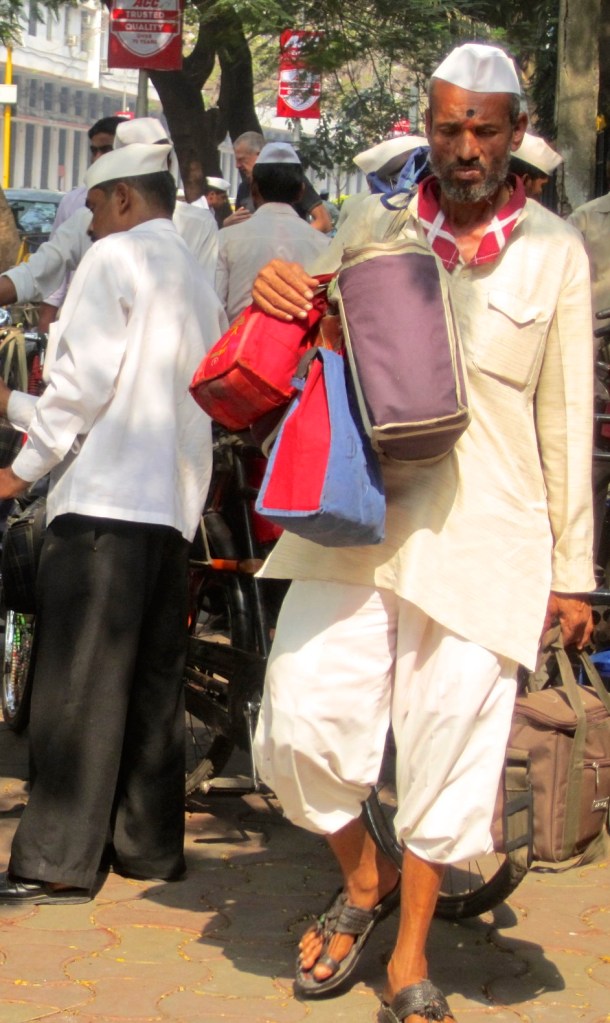
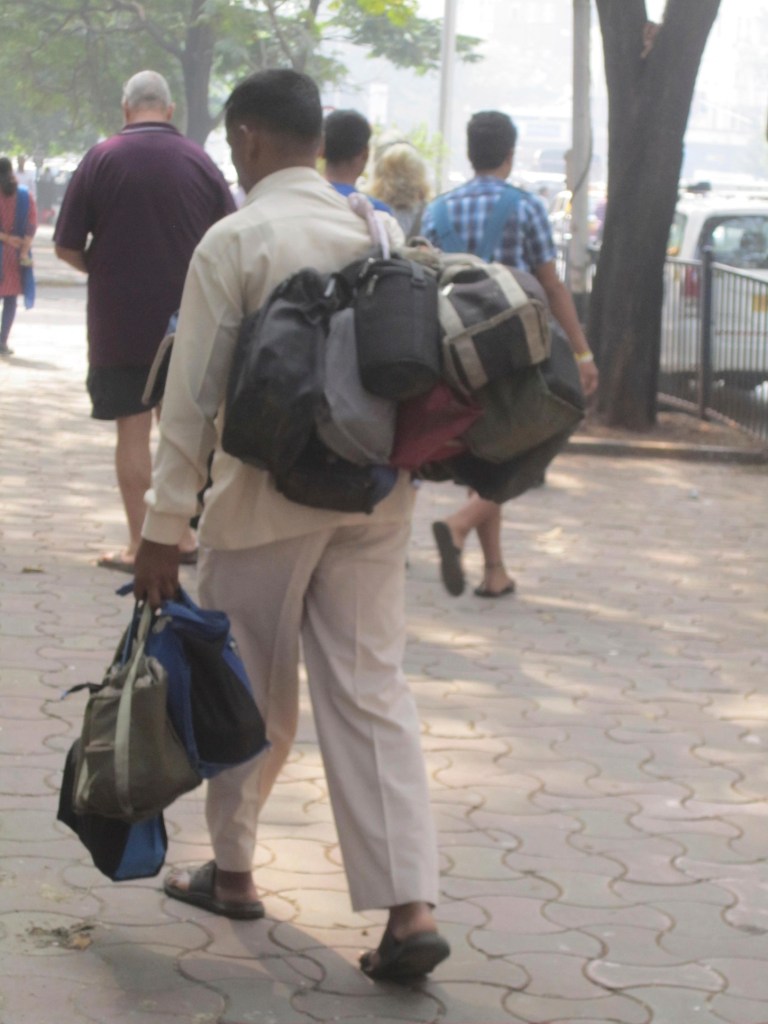
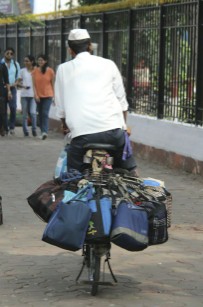
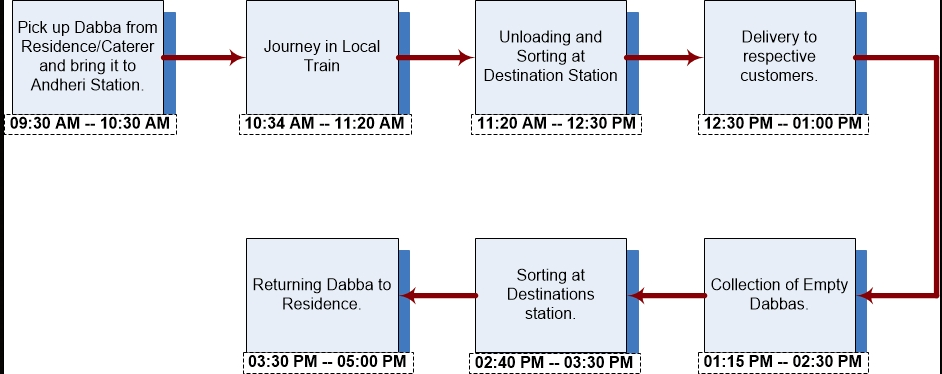
What we witnessed above is only a very small view of the total picture. The numbers of workers and lunches involved are mind boggling! At the present day there are around 5,000 dabbawallas working on any given day. The number of lunches they move is more difficult to specify. As a resource I’m using Sara Roncaglia’s book, “Feeding the City”, so I’ll use her count which is 200,000 delivered, but that also means 200,000 returned to the proper home for a total of 400,000 journeys! Each tiffin is handled by an average of 12 workers each way. Here is a scheme to outline the steps to delivery:
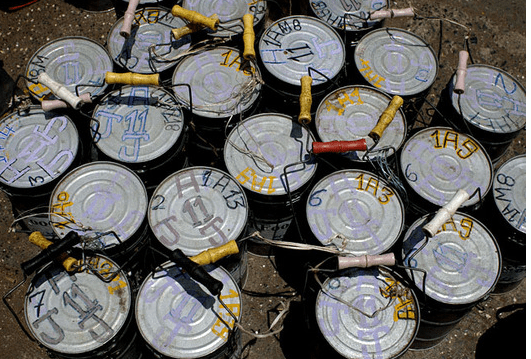
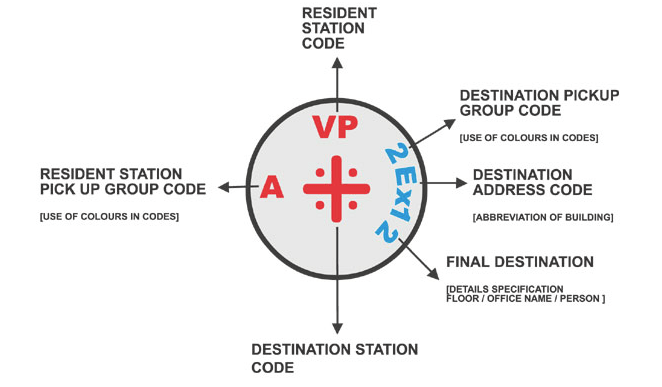
Now, you might ask how are so many individual lunches delivered successfully in so short a time by an 85% illiterate group of men? There’s an interesting answer: a unique shorthand.
You might also ask why such an elaborate system exists? This culture of home-made food delivery started back in the 19 century. But, before we look into the origins of the system, it’s interesting to note a few details about the history and especially the geography of Mumbai (Bombay). First, a word about how the English began their centuries long dominance in India. (At the risk of over simplification and of potentially offending anyone who has deeper knowledge, I apologize in advance.)
Vasco da Gama, one of those great explorers you learned about in grade 6, established the European foothold in south India in 1498, which set the stage for European colonialism dominating naval power and commercial trade for centuries. By 1534 the Portuguese influence spread north when seven islands, eventually called Bombay, were ceded by the Gujarati Sultanate to Portugal. By 1661 the King of Portugal made a gift of these seven islands to British Empire when Charles II married Catherine of Braganza. Then Charles leased out his wedding islands to the East India Trading Company in 1668.

Here’s the shape of the seven islands. Because of their strategic location as a trading port with the West, the need for more land to support the commercial space was necessary for the growing trade and industries. Landfill projects eventually filled in the islands and joined them with the mainland by 1845, (although some landfill issues are still ongoing)!
Rushdie said, “Bombay is India’s most cosmopolitan city, because it stands on the border between north and south India, and faces to the West where historically most of the rest of the world connects with it.”
The East India Company was given to the British Crown in 1858, establishing The British Raj (rule) until independence in 1947. (The subject of another story…)
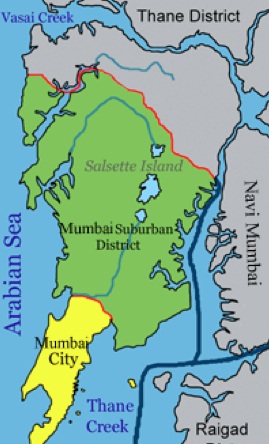
Today the total population of Mumbai is around 20,500,000. While 13,000,000 people live in the city, almost 9 million of those are slum dwellers. The other 7,000,000 live in the suburbs.
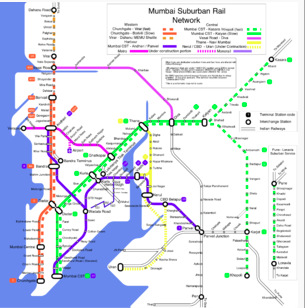
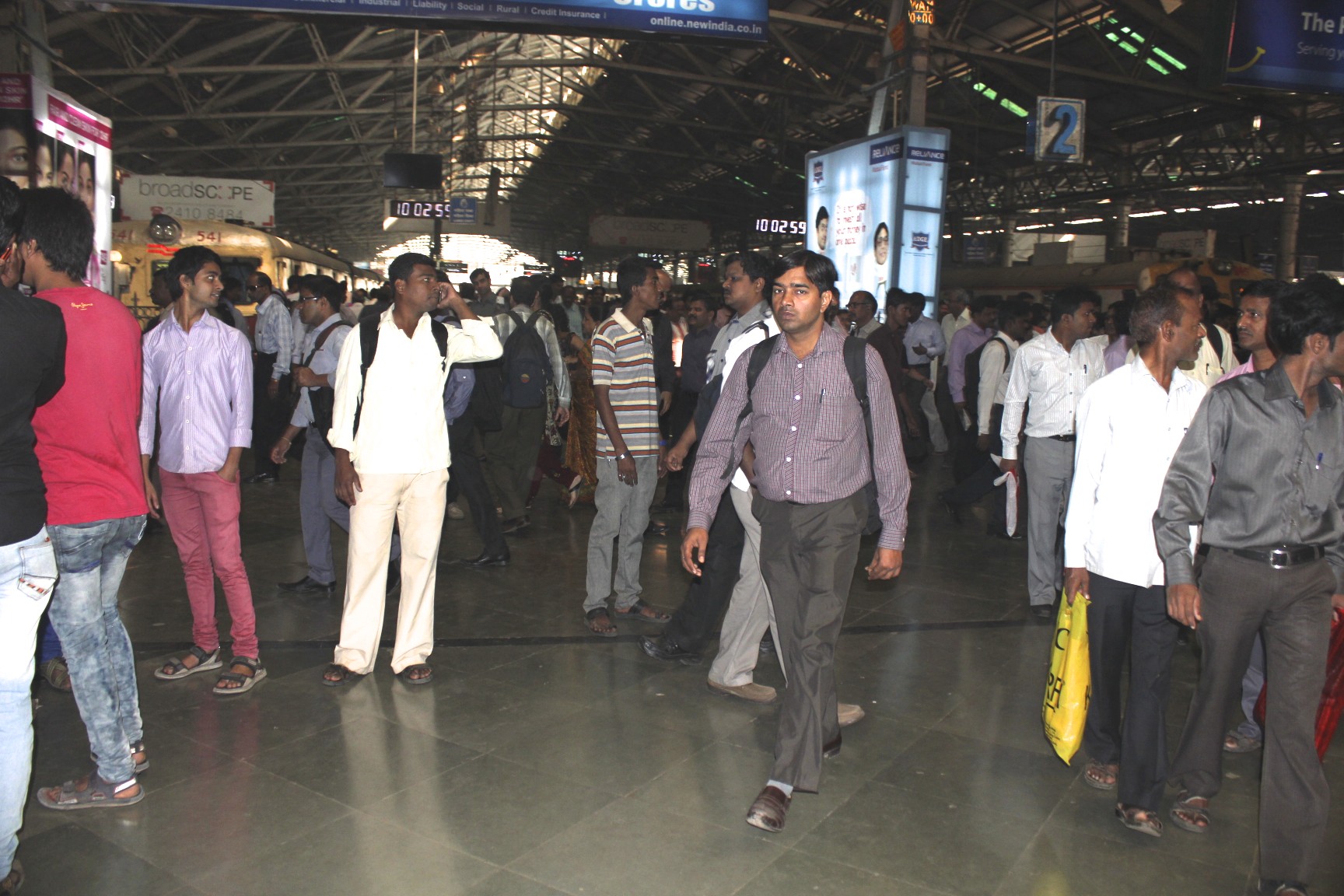
To get the enormous number of workers into the city from the vast suburbs, an elaborate system of rail lines has been constructed. There are potentially millions of people commuting into the city each day! To be a witness in the central train station during rush hour is a jaw dropping experience!
OK, I digress … back to the Dabbawallas. Now, why again do we need all these lunches delivered? This leads me to the other part of the story: the complexity of the working population.This complexity is very often manifested by the food consumed by each subgroup. FOOD!! Food is the important marker of differentiation, separation, and cultural signifiers. Each religious group has its own dietary laws or traditions and all groups are well represented in Mumbai:
67% Hindu (vegetarians, Brahmins eat separately and food can not be prepared by someone from a lower caste)
18.5% Muslim (no pork)
5.2% Buddhist (vegetarian)
3.9% Jain (nothing that has been alive)
4.2% Christian (fish on Friday)
0.58% Sikh (many are vegetarian)
Parsee (no restrictions, but emphasis on cleanliness)
Jewish (no pork, no mixing meat with milk products)
In some cases the subgroups are defined by geographical considerations. People from south India eat differently from those in the north. Some people like to maintain the food from their particular villages, also. Whatever the reason, a warm home cooked meal by your loved one delivered to you at your workplace has been a sustainable working model in Mumbai since the early 1890’s, when a British industrialist commissioned the first “non-spicy” meal to be delivered to him at his workplace.
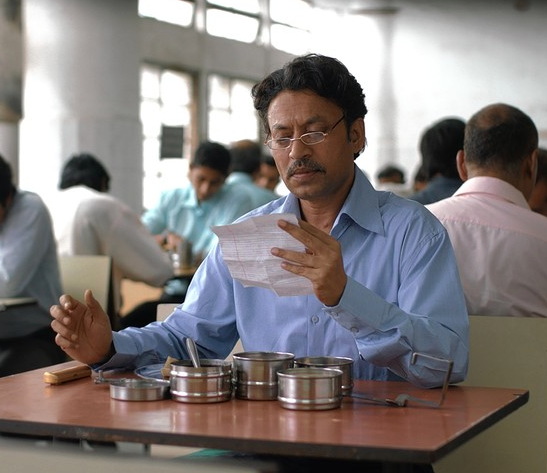
If you are interested in knowing more about the Dabbawallas, you might see a wonderful contemporary film called “The Lunchbox” now available on Netflix. … If you have had the patience to read through all this, I thank you. But, please know that the most fun I have is in trying to crystallize the amazing experience I had in India. If you have read this, all the better! And, please be kind enough to leave your comments below.
http://architecture.yale.edu/people/meghan-lewis# = (A study done at Yale about the landfill in Mumbai!)
 she paints; she is a painter
8 responses to “Imprint: The Dabbawallas of Mumbai”
What a brilliant article! You write as beautifully as you paint!
LikeLike
Great article … the subject could not have been presented more beautifully and authentically. Love the delivery flow chart, historical references and appreciate the huge amount of research and time devoted to this. A joy to read and remember!
LikeLike
Nice work Pat – how many years do you think it will take to write excellent articles like this covering all the unique experiences of our India trip? Keep writing…..
LikeLike
Thanks, Bev. That’s why I can’t go to Myanmar! ( I need to find pictures of the late night entertainment in Cochin!)
LikeLike
What a lovely educational story. I was mesmerized by it Pat. I look forward to more from your trip.
LikeLike
Pat, thank you so much for this beautifully written description of our fantastic trip to India. I just enjoyed it again thanks to you. Big hug my dear
Anne
LikeLike
See why i was so lucky to have you as my rookie?!? You are amazing and your writing is equally so! Well researched (as usual) and I can’t wait to read more instalments. I’ll supply your tiffin to your desk in my own white hat! Love Lizzie
LikeLike
oops, that’s a typo – supposed to be ROOMIE (not rookie)!!
LikeLike